


Split System Components: Building Blocks of Central Heating & Cooling Systems
Split system HVAC setups rely on multiple specialized components working together to deliver reliable heating and cooling throughout a home. Rather than a single all-in-one unit, these systems are “split” between indoor and outdoor equipment—each with a specific role in comfort, efficiency, and performance.
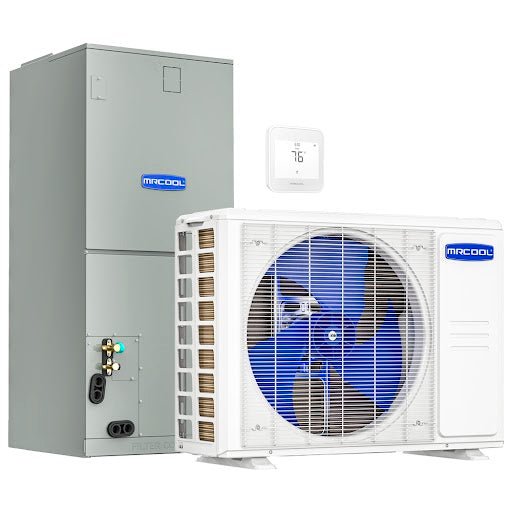
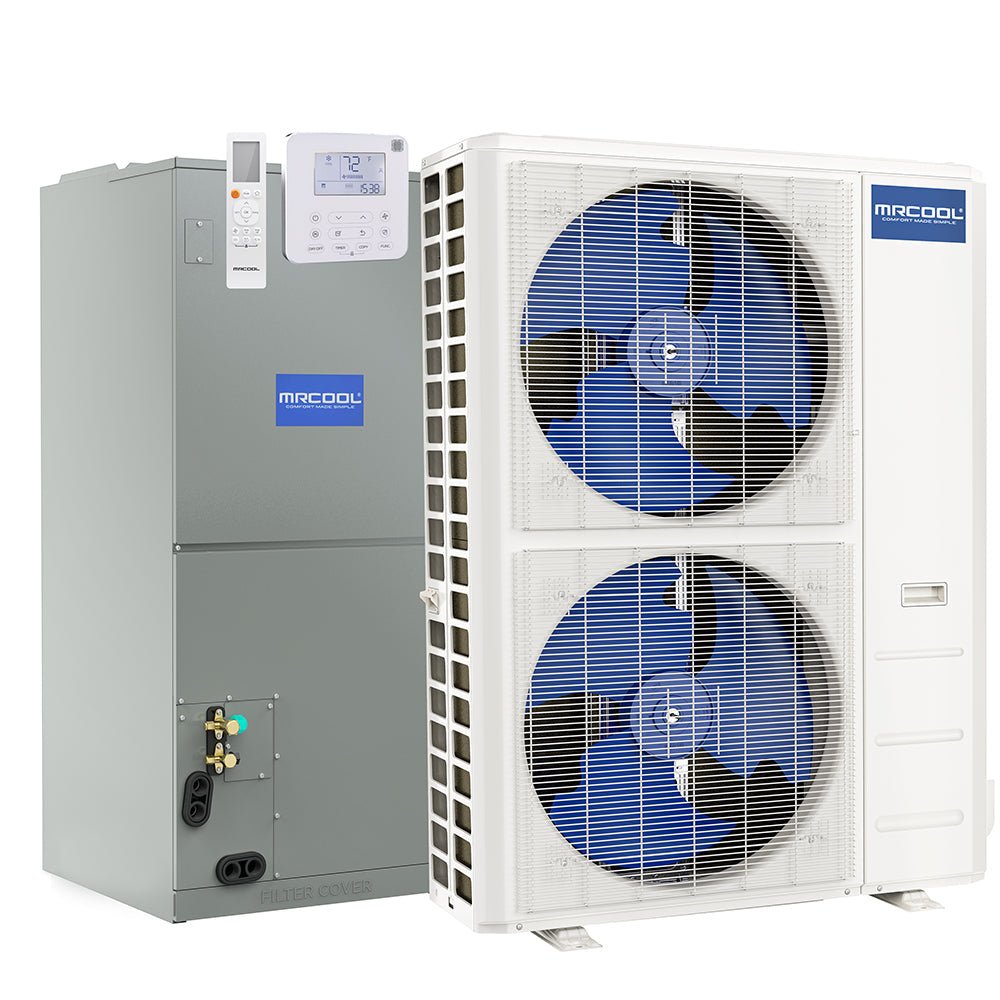
This collection of split system components includes air conditioner units, heat pump units, air handlers, furnaces, and evaporator coils, all designed to pair correctly within compatible systems from MRCOOL.
What Is a Split System?
A split system divides heating and cooling functions between outdoor and indoor components:
-
Outdoor units handle heat exchange with the outside air
-
Indoor components distribute conditioned air through ductwork
This design allows for higher efficiency, quieter operation indoors, and flexible system configurations based on climate and heating needs.
Core Split System Components Explained
Each product in this category plays a distinct role. Understanding these roles helps clarify how a complete system works together.
Air Conditioner Units (Outdoor)
An air conditioner unit is the cooling-only outdoor component of a split system. It removes heat from inside the home and releases it outdoors during warm weather.
These units are commonly used in regions where cooling is the primary need or where heating is handled by a separate system such as a furnace.
Heat Pump Units (Outdoor)
A heat pump unit provides both heating and cooling from a single outdoor system.
-
In summer, it operates like an air conditioner
-
In winter, it reverses operation to bring heat indoors
Heat pumps are widely used in all-electric systems and are valued for their efficiency across a wide range of climates.
Air Handlers (Indoor)
The air handler is the indoor distribution hub of a split system. It contains:
-
The blower motor that moves air through ductwork
-
The evaporator coil (in many configurations)
Air handlers are commonly paired with both air conditioner units and heat pump units, especially in electric or heat-pump-only systems.
Furnaces (Indoor)
Furnaces generate heat directly—typically using gas or electricity—and are paired with either:
-
An air conditioner (for cooling + furnace heating), or
-
A heat pump (for dual-fuel systems, where each heat source operates under different conditions)
In these setups, the furnace handles heating while the outdoor unit focuses on cooling or supplemental heating.
Evaporator Coils (Indoor)
The evaporator coil is a critical heat-exchange component located inside the indoor system. It allows heat to be absorbed from or released into the air moving through the ducts.
Proper matching between the evaporator coil and the outdoor unit is essential for system performance and efficiency.
How These Components Work Together
A complete split system is created by pairing:
-
One outdoor unit (air conditioner or heat pump)
-
One indoor system (air handler or furnace)
-
A properly matched evaporator coil
Each component must be compatible with the others to ensure correct operation, airflow, and efficiency.
This modular approach allows systems to be tailored to different climates, energy preferences, and home layouts.
Flexibility Without Being Locked Into One Configuration
One advantage of split system components is flexibility:
-
Cooling-only systems
-
Heating-only systems
-
Combined heating and cooling
-
Electric or fuel-based heating options
By selecting the appropriate components, homeowners can build a system that fits their specific comfort goals and regional climate demands.
Important Notes on Compatibility & Installation
The products in this category are intended for use in properly designed split systems. Compatibility depends on factors such as system capacity, voltage, and configuration.
While we do not provide installation services or installation advice, detailed product documentation is available directly from MRCOOL, and licensed HVAC professionals can assist with system design, installation, and setup.
Designed for Long-Term Comfort & Performance
Split system components form the foundation of many modern HVAC systems. When properly matched, they deliver:
-
Efficient heating and cooling
-
Reliable year-round comfort
-
Scalable system design options
This collection brings together the core elements needed to support those outcomes.